

SIGHTRIGHT LEFT / RIGHT READING
Left or Right on SIGHTRIGHT?
Verify the line, repeat full resets and test one comfortable process cue before treating a repeated observation as a reason to change.
Follow the decision treeSAILY CUE JOURNAL
Practical notes on sight alignment, stance, cue specifications and equipment, written for snooker and pool players.
SIGHTRIGHT LEFT / RIGHT READING
Verify the line, repeat full resets and test one comfortable process cue before treating a repeated observation as a reason to change.
Follow the decision tree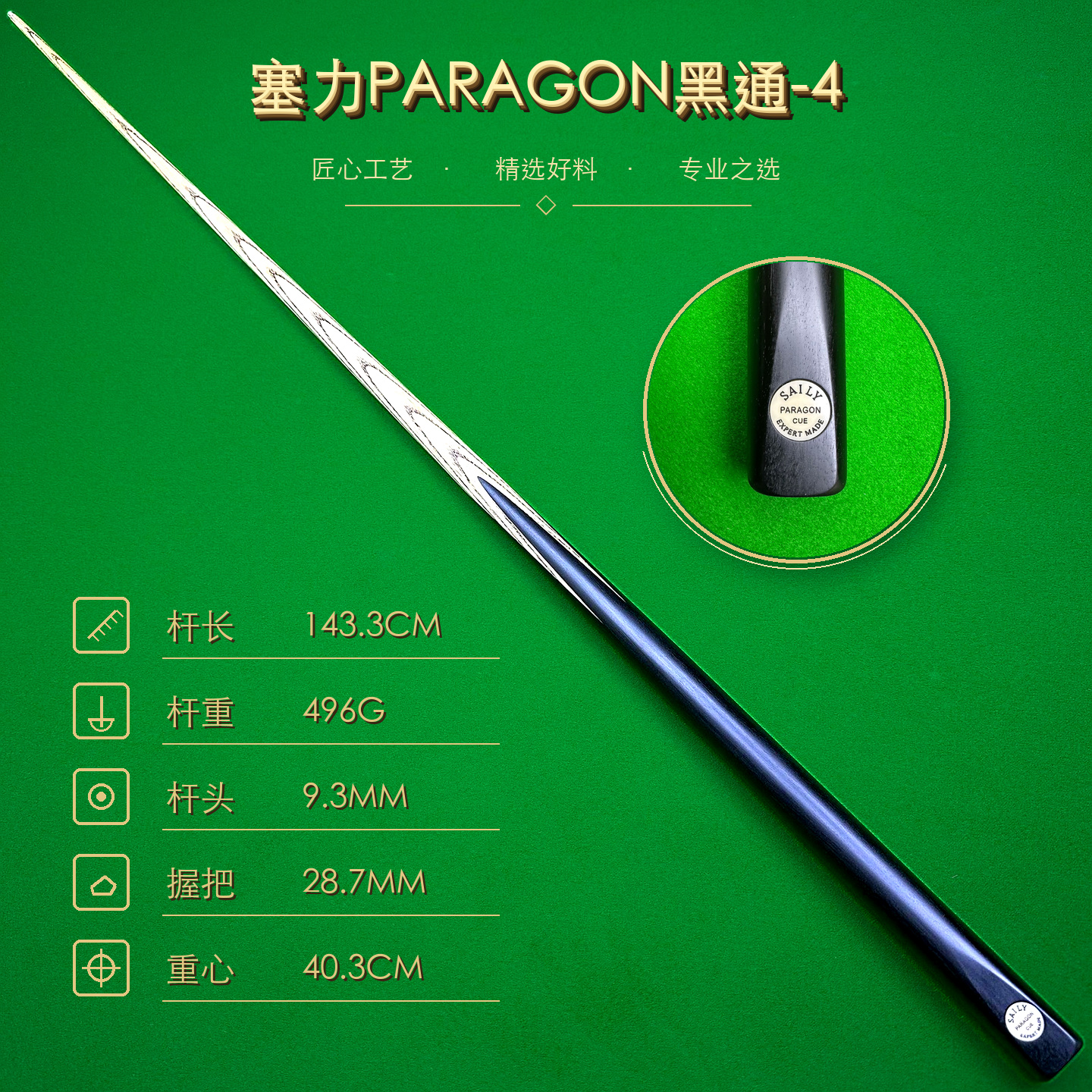
PARTS OF A SNOOKER CUE
Follow the cue from tip to butt, distinguish components from measurements and connect every name to an inspection question.
Learn the cue anatomySIGHTRIGHT CUEING-ARM FREEDOM
Compare the visual reference without freezing the shoulder, trapping the grip hand or restricting a comfortable cue action.
Run the movement check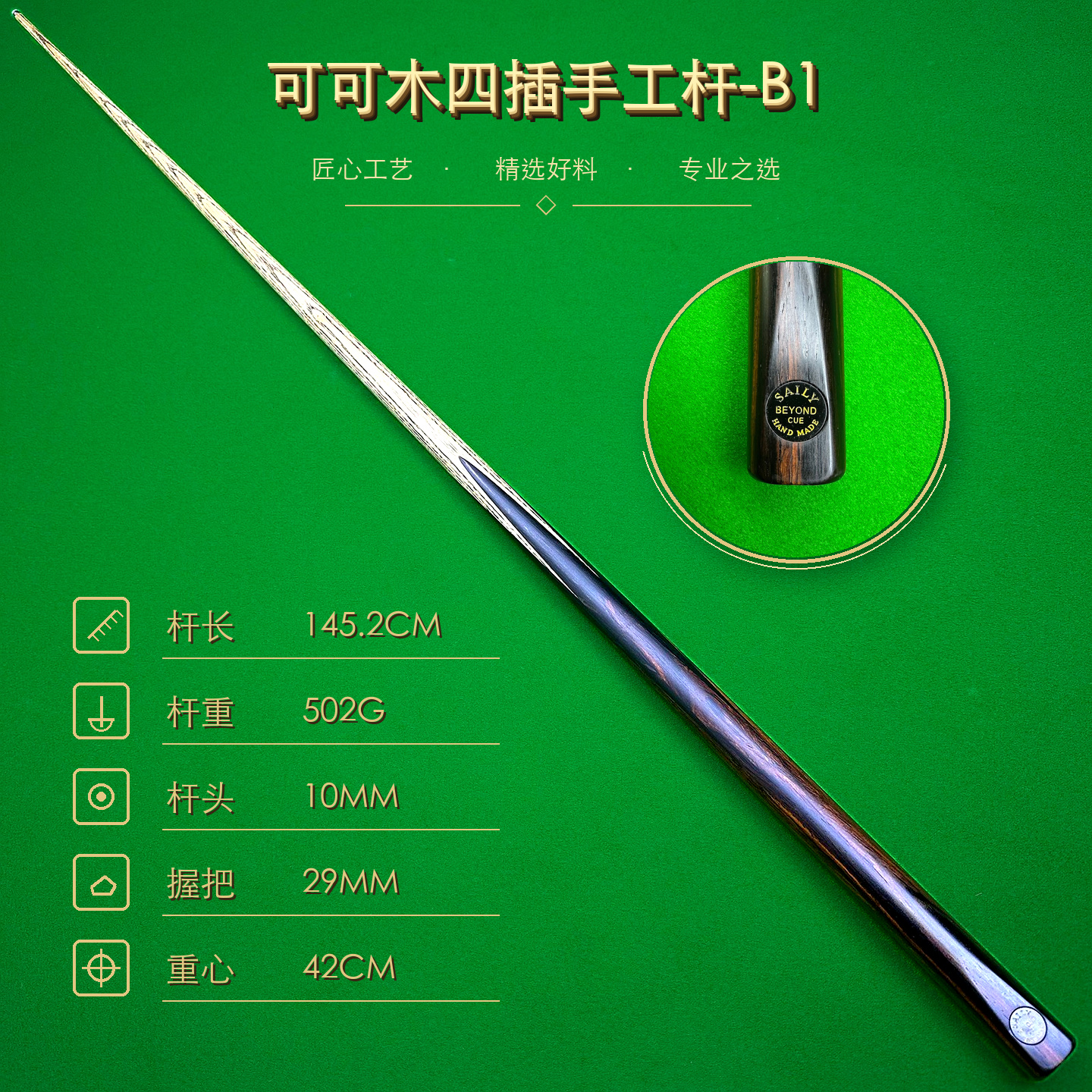
COMPARE TWO SNOOKER CUES
Use matched records, short A–B blocks and reversed order to compare two exact cues without turning pot count into a quality score.
Build the A–B testSIGHTRIGHT CHIN CLEARANCE
Compare a natural head position with one gentle awareness cue while protecting comfort, balance, breathing and free cue movement.
Run the controlled check
SNOOKER CUE SHIPPING
Document the exact cue, support every section, protect vulnerable components and preserve a clear dispatch record.
Use the packing checklistSIGHTRIGHT REST-SHOT SETUP
Make a no-hit setup check with enough clearance for the cue, rest, bridge hand and clothing, then remove the trainer before playing.
Check the rest-shot setup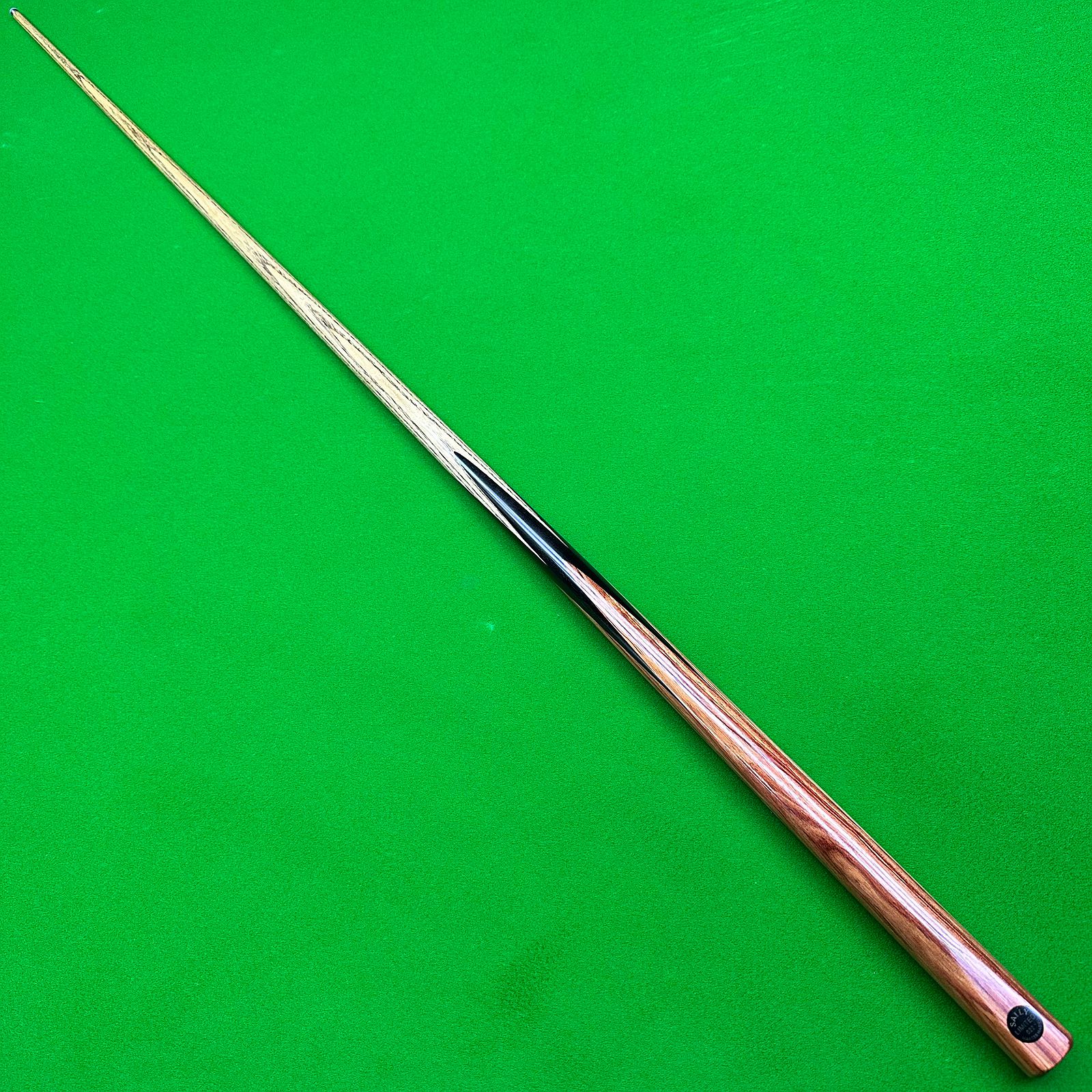
SNOOKER CUE LISTING PHOTOS
Connect a full-cue view, identity details, condition evidence and measured fields to the exact cue in the listing.
Build the photo recordSIGHTRIGHT BRIDGE-LENGTH TEST
Compare two comfortable bridge lengths with an A–B–A sequence while keeping the line, reset and observation language stable.
Run the controlled testSNOOKER CUE TIP REPLACEMENT
Use visible attachment, damage and remaining serviceable material—not a fixed lifespan or one missed shot—to decide when to stop and seek assessment.
Read the replacement guideCUSHION-PARALLEL SIGHTRIGHT DRILL
Use the cushion as a temporary layout reference, then compare a central-table line so the rail never replaces your selected direction.
Set up the drillSNOOKER CUE DELIVERY CHECK
Document the parcel, confirm the exact cue and inspect every component before chalk, play or repair changes what arrived.
Use the delivery checklistSIGHTRIGHT AFTER A CUE CHANGE
Record the exact cue configuration, keep the selected line and reset process stable, then compare a fresh baseline without forcing your stance.
Recheck the baselineSNOOKER CUE TIP HARDNESS
Keep the exact brand, model, nominal grade, diameter and condition together without treating hardness as a universal quality scale.
Read the hardness guideINCONSISTENT SIGHTRIGHT FEEDBACK
Check placement, lighting, line selection, full resets and observation labels in a fixed order before changing your stance.
Troubleshoot the feedbackSNOOKER CUE SHAFT CLEANING
Start with a soft dry cloth, match any deeper method to the exact shaft and stop before cleaning becomes irreversible alteration.
Read the safe cleaning guideSIGHTRIGHT PRACTICE DIFFICULTY
Change distance, cut angle, speed, spin or table position one variable at a time, then progress only when the current observation remains clear.
Build a controlled progressionSNOOKER CUE FERRULE CHECK
Inspect the visible collar below the tip for cracks, gaps, edge damage or movement without sanding, twisting or guessing its material.
Read the ferrule inspection guideSIGHTRIGHT VS MIRROR VS VIDEO
Match the practice question to an address reference, immediate visual feedback or a recorded movement sequence without expecting one tool to diagnose every miss.
Compare the three toolsSNOOKER CUE JOINT CHECK
Inspect the mating faces, assemble the exact cue gently by hand and record fit, alignment and current seller evidence without forcing the connection.
Read the joint inspection guideCENTRED SIGHTRIGHT READING
Separate the visual reference from aim selection, tip contact, cue delivery, speed and table conditions before changing your stance.
Troubleshoot the next variableSNOOKER CUE SHAFT TAPER
Record shaft diameters at stated positions and compare profiles without turning a taper label into a quality guarantee.
Read the taper guideSIGHTRIGHT COACHING SESSION
Combine the player’s visual label with the coach’s external observation, test one variable and transfer one simple cue to normal practice.
Plan a coached session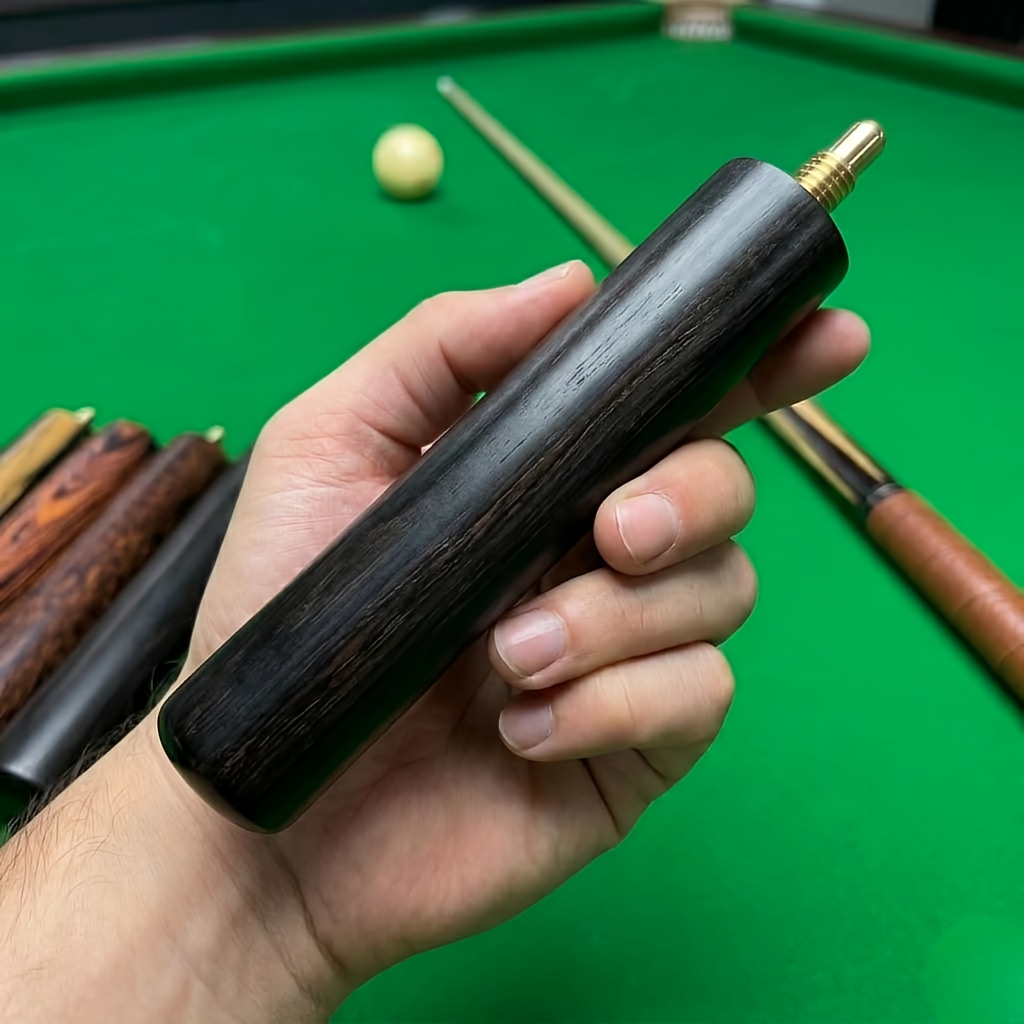
SNOOKER CUE EXTENSION
Check the extra reach, exact connection, fitted playing configuration, handling and storage before ordering.
Read the extension guideSIGHTRIGHT PRACTICE MISTAKES
Keep the line, reference and resets comparable without forcing posture or judging an alignment check by one pot.
Troubleshoot your practiceSNOOKER CUE TIP CONDITION
Inspect visible shape, edge condition, attachment and current seller evidence before buying or playing.
Read the tip inspection guideSIGHTRIGHT AND PHONE VIDEO
Match first-person alignment observations with one safe, consistent external camera angle without overreading a single frame.
Read the video-practice guideCUE LENGTH FOR SMALL ROOMS
Measure restricted shots, backswing space and the exact assembled cue before deciding whether a shorter length is necessary.
Plan the playing spaceDOMINANT EYE AND CUE SPORTS
Compare a comfortable setup without forcing the head, diagnosing eyesight or treating one eye label as a complete stance.
Read the alignment guideCUE WEIGHT VS BALANCE POINT
Separate total mass from its measured balance location, then compare equivalent cue configurations and references.
Compare weight and balanceSIGHTRIGHT PRE-MATCH ROUTINE
Confirm a familiar walk-in during a permitted warm-up, choose one calm routine cue, then store the trainer before play.
Read the pre-match routineSNOOKER CUE PRICE COMPARISON
Normalize the exact cue, photographs, measurements, currency, included items and shipping scope before comparing prices.
Read the price-comparison guideSIGHTRIGHT NEW-TABLE SETUP
Check lighting, space, placement and comfort before comparing a familiar alignment baseline in a new room.
Read the new-table guideSNOOKER CUE WOOD TYPES
Separate material, construction and series labels, then verify the exact cue without assuming performance.
Read the wood-types guideSIGHTRIGHT PRACTICE FREQUENCY
Plan short alignment checks, normal cue-sports practice and a gradual move toward using the setup cue independently.
Plan your practice frequencySNOOKER CUE SPECIFICATIONS
Check cue identity, configuration, units and measuring references before comparing length, weight, tip, butt and balance.
Read the specification guideSIGHTRIGHT PRODUCT CARE
Remove loose dust, use minimal moisture, inspect the edges and pack the dry trainer separately from cues and tools.
Read the care guideSNOOKER CUE CASE SELECTION
Check cue format, the longest stored section, usable internal length, support, capacity and travel needs before ordering.
Read the cue case guideFULL-RESET ALIGNMENT PRACTICE
Stand up and restart every approach so each left, centred, right or unclear observation belongs to a new walk-in.
Read the full-reset guideCUE SHAFT DIAMETER
Choose a stated point, use light caliper contact and record a shaft measurement that another buyer can compare fairly.
Read the shaft guideCUT-SHOT ALIGNMENT PRACTICE
Choose a modest cut first, then use SIGHTRIGHT to compare the selected cue-ball line with a repeatable no-hit walk-in.
Read the cut-shot drillONLINE CUE BUYING CHECKLIST
Verify the exact cue, its photographs, complete measurements, condition, included items and order terms before paying.
Read the pre-order checklistLEFT-HANDED SIGHTRIGHT SETUP
Keep the trainer on the selected line, establish an individual baseline and avoid confusing cueing hand with vision claims.
Read the handedness guideSNOOKER CUE FOR POOL
Check the pool discipline, rules, cue condition and shot demands before using one cue across different games.
Read the compatibility checklistSNOOKER LONG-POT SETUP
Extend one simple snooker line in controlled steps, compare the standing and address views, then remove the trainer before normal shots.
Read the long-pot setup guideCUE FORMAT COMPARISON
Compare physical format, transport, case fit and inspection questions without treating either construction as automatically better.
Compare cue formatsSIGHTRIGHT PLACEMENT
Use the curved notch, silver centre line and two visual planes consistently, then fix placement changes before interpreting the view.
Read the placement guideCUE BUTT DIAMETER
Measure one clear grip-end reference, protect the finish and label circumference-based estimates honestly.
Read the butt-diameter guideAMERICAN POOL ALIGNMENT
Keep one straight-in layout fixed, compare five no-hit approaches and transfer one setup observation to normal shots.
Read the pool drillCUE WEIGHT MEASUREMENT
Use a stable scale setup, record the complete playing configuration and convert grams and ounces fairly.
Read the cue-weight guidePRACTICE LOG
Record the setup observation, one deliberate change and the shot result separately so repeated sessions stay comparable.
Read the logging guideCUE LENGTH MEASUREMENT
Use a clear tip-to-butt reference, state the assembled configuration and compare centimetres with inches fairly.
Read the length guide10-MINUTE PRACTICE ROUTINE
Choose one familiar line, repeat the same walk-in and transfer the observation to a small set of normal shots.
Read the routineCUE TIP SPECIFICATION
Understand the measuring point, compare consistent units and avoid treating a tip diameter as a performance promise.
Read the tip-size guideCHINESE EIGHT-BALL TRAINING
Use a six-step pre-shot alignment check to compare the line you see while standing with the view after your normal walk-in.
Read the guideCUE SPECIFICATION CHECK
Find where an assembled cue rests level, measure from a consistent butt-end reference and record a result you can compare.
Read the guideTRAINING AID REVIEW
See what SIGHTRIGHT can help you observe, what it cannot prove, and whether it fits the question you want to investigate in practice.
Read the guideCUE BUYER CHECK
Combine a slow roll, visual sighting, joint inspection and clear seller evidence instead of relying on one quick test.
Read the guideSTANCE DIAGNOSTIC
Use a repeatable checklist to compare the line you see while standing with the left, centred or right feedback after your walk-in.
Read the guideCUE CARE
Follow a practical routine for supported storage, gentle cleaning, tip checks, temperature changes and transport.
Read the guideAIMING & STANCE
Learn a repeatable way to check your sight line, head position and walk-in before adding the cue action.
Read the guideCUE BUYING GUIDE
Compare the measurements that influence reach and feel, then use a simple checklist before choosing a cue.
Read the guide