
SNOOKER CUE · DELIVERY CHECK
How to Inspect a Snooker Cue After Delivery: A Buyer’s Checklist
Preserve the parcel evidence, confirm that the cue matches the order and complete a careful condition check before chalk, play or repair changes what arrived.
Short answer: photograph the unopened parcel and any impact marks, keep every support and label, then confirm the cue’s reference number, format, included parts and measurements against the order. Inspect the shaft, butt, tip, ferrule and joint in bright diffuse light. Assemble a jointed cue only if the faces are clean and it turns together with normal hand pressure. Stop before play or alteration if anything is loose, cracked, missing, mismatched or difficult to assemble, and send the seller a clear evidence set.
Document the parcel before you open it
Delivery inspection begins with the package, not the cue. Photograph every side before cutting tape. Include dents, punctures, crushed ends, wet areas, opened seams and any carrier note. Keep the shipping label in the record, but hide your address or tracking details before sharing images publicly.
Open the parcel carefully without driving a blade into the inner case or support. Photograph how the cue and any extension, case or accessory were held. Do not discard tubes, foam, sleeves or boxes until the cue is accepted. If a claim is needed, the packaging can help show where an impact occurred and whether an item was missing.
Do not chalk the tip, remove finish, sand the shaft, reshape a tip, glue a loose part or force a joint while a delivery concern is unresolved.
Confirm that the exact cue matches the order
Compare the delivered cue with the order confirmation and the seller’s current photographs. Check the maker or seller reference, model or series, one-piece or jointed format, decorative details, included extensions and case, and any recorded measurements. A broad wood or series name is not enough to identify one physical cue.
Use the same configuration on both sides of the comparison. If the listing gave assembled length, weight, tip diameter or balance point, confirm whether accessories were included. Our online snooker cue buying checklist explains the evidence worth securing before an order; after delivery, that evidence becomes your comparison baseline.
Inspect the cue from tip to butt in good light
Use bright, diffuse light and clean hands. Look along the shaft from several angles without flexing it. Check the finish and splice areas for fresh dents, cracks, lifted edges or impact marks. A photograph can document visible condition, but it cannot establish every internal issue or guarantee future performance.
- Tip.Check the playing surface, edge and attachment. The cue-tip inspection guide separates visible condition from unknown hardness or service history.
- Ferrule.Look for cracks, gaps, chips or movement without twisting or sanding it. Use the ferrule condition checklist for close-up evidence.
- Shaft and butt.View the full length against a simple background and record any specific mark with one wide and one close photograph.
- Joint and accessories.Confirm that faces, threads and locating surfaces are clean, undamaged and matched to the exact cue.
If straightness is a concern, do not rely on a dramatic table-roll video alone. Follow the multi-check cue straightness guide, note the table surface and cue taper, and compare the observation with the seller’s dated evidence.
Assemble a jointed cue gently by hand
First inspect both joint faces and remove only loose dust with a clean dry cloth. Align the sections and turn them together with normal hand pressure. Do not use pliers, joint tools, lubricant or a sudden tightening motion. Stop if the threads cross, resistance increases unexpectedly, the faces do not meet or the sections remain loose.
Once assembled, hold the cue normally and look across the joint from several sides. Record any visible gap, step, movement or mismatch. The snooker cue joint guide covers this check in more detail. A fit concern is a reason to pause and contact the seller, not an invitation to modify the joint.
Create a concise evidence set for the seller
Keep the original image and video files. Give each concern one overview image, one close-up and a short neutral description: where it is, what you observed and whether assembly was attempted. Include the order reference and delivery time. Avoid filters, heavy compression or annotations that cover the detail.
Ask the seller what to do next before attempting a repair or return. Follow the seller’s and carrier’s stated time limits and instructions; they vary by order and destination. Do not make claims about cause that the evidence cannot prove. “The butt end arrived with a 12 mm dent beside the sleeve” is more useful than “the cue is ruined by bad packing.”
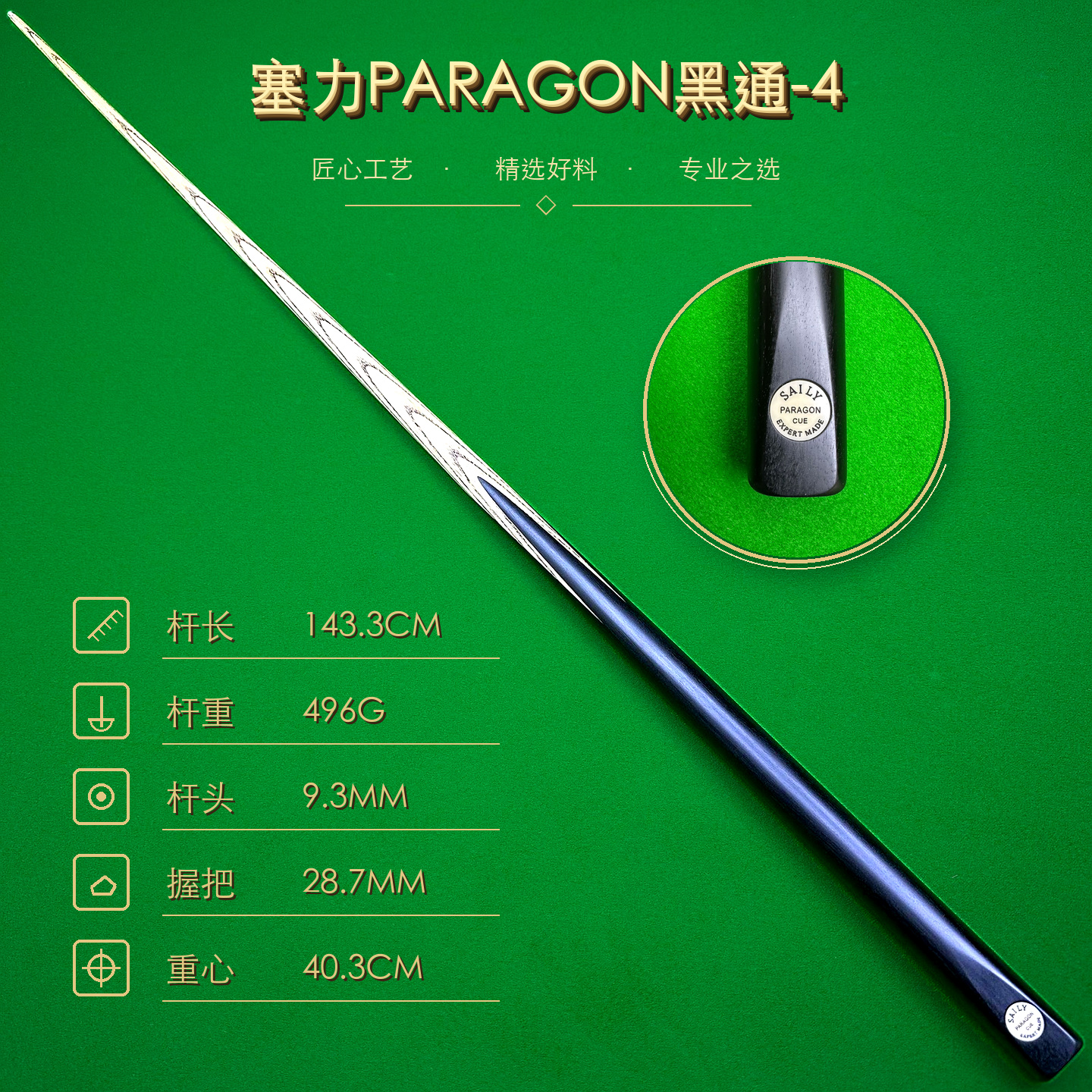
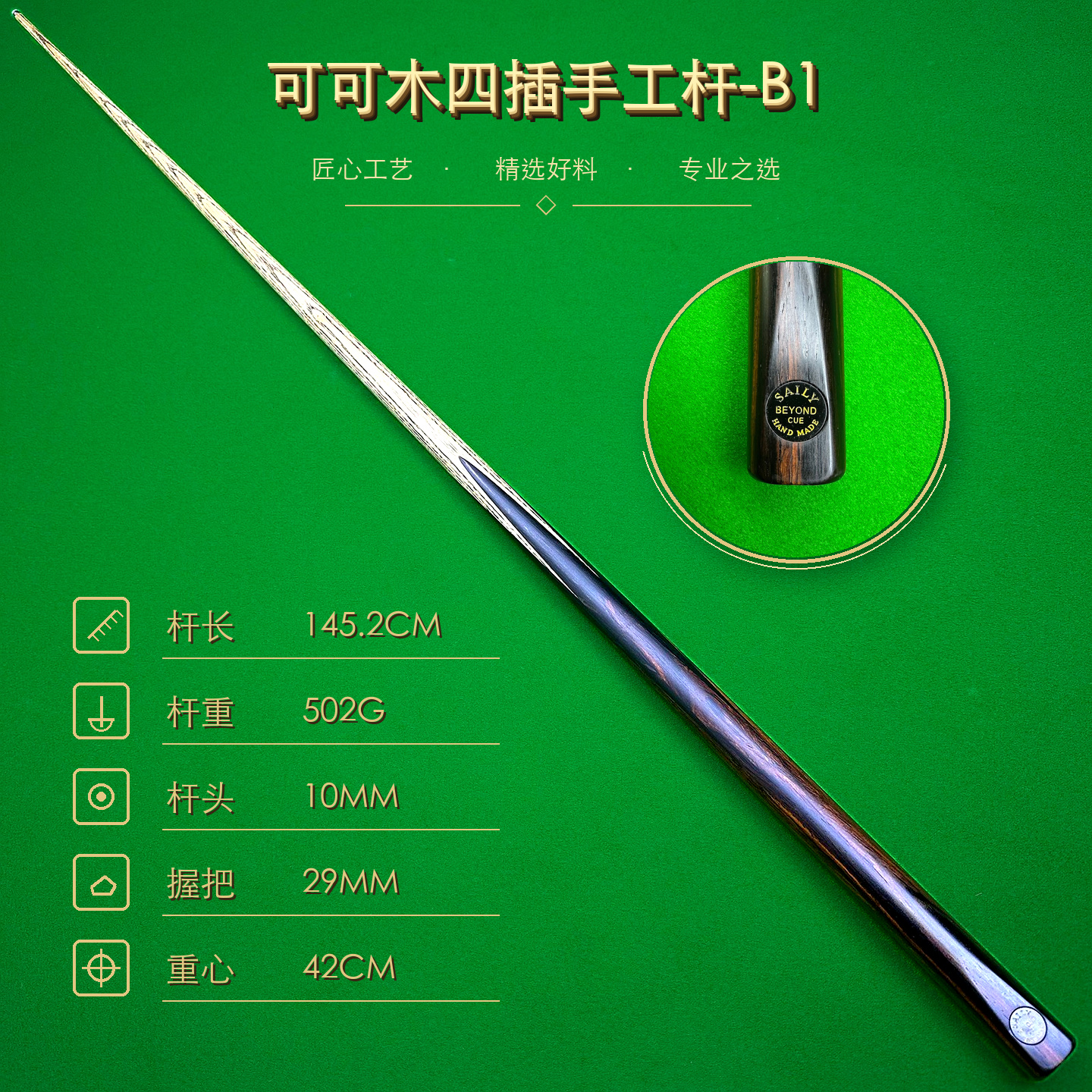
SAILY CUE’s English cue collection uses real photographs and measured fields to help identify each listed cue. Product pages such as the Paragon Ebony Cue No. 4 and Cocobolo Four-Splice Handmade Cue B1 illustrate why a full-cue record and specific detail views should stay together.
Move to a first-play check only after acceptance
If identity, condition and assembly checks are satisfactory, wipe away loose packing dust with a clean dry cloth and let the cue reach a stable indoor environment before normal use. Do not place it beside a heater, in direct sun or against a wall. The snooker cue storage and care guide covers conservative daily handling.
Begin with ordinary warm-up shots rather than an extreme power test. Note comfort, sound, joint security and whether the tip remains attached. Stop if a new crack, movement, unusual gap or loose part appears. Potting success on the first few shots is not a delivery-inspection test, and this checklist does not guarantee cue quality or playing performance.
Snooker cue delivery inspection FAQ
Should I play with a new cue before checking it?
Inspect and document the parcel and cue first. If you notice impact damage, a loose part, a visible crack or a joint that will not assemble gently, stop and contact the seller before chalking, playing with or altering the cue.
Does rolling the cue prove that it is straight?
No. A roll can be one observation, but table condition, taper, joint fit and viewing angle can affect what you see. Use several checks and compare them with the exact seller evidence.
What photographs should I take after delivery?
Photograph the unopened parcel, shipping label with private details protected, external damage, internal supports, the full cue, reference number, joint faces, tip, ferrule and any specific concern. Keep the original files and timestamps.
Can I sand or tighten a part before contacting the seller?
Avoid irreversible work while a delivery concern is unresolved. Sanding, cutting, gluing, forcing a joint or attempting a repair can change the evidence and may worsen damage.
SAILY CUE COLLECTION
Keep the listing and delivered cue connected
Compare the exact reference, real photographs, measured fields and included parts before making any irreversible change.